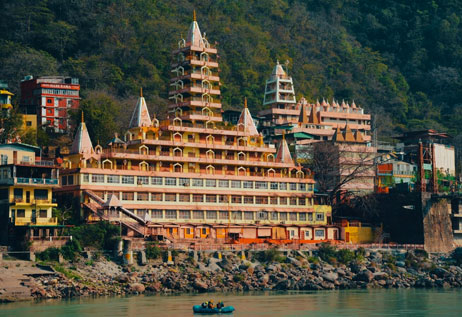
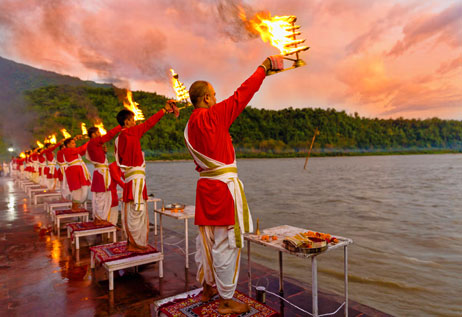
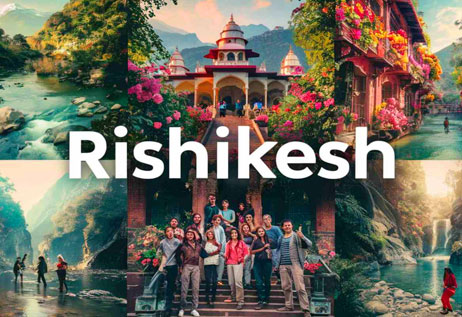
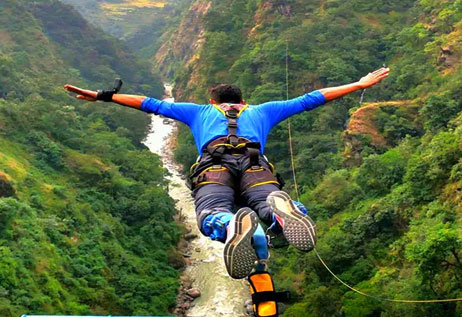
Rishikesh, the spiritual capital of India and the gateway to the Himalayas, is a city that blends natural beauty, spiritual vibes, and adventure activities. While many travelers are excited about exploring its temples, ghats, yoga retreats, and river adventures, understanding the local transportation options is essential for a smooth and hassle-free trip. This guide by AI Hotels Group covers all you need to know about getting around Rishikesh efficiently, safely, and affordably.
Overview of Rishikesh Transportation
Rishikesh is a compact city, but it offers a variety of transportation options to suit different needs. Whether you're traveling solo, with family, or in a group, understanding the available modes of transport helps save time and money. The main transportation options include taxis, auto-rickshaws, buses, rental scooters, and walking for short distances.
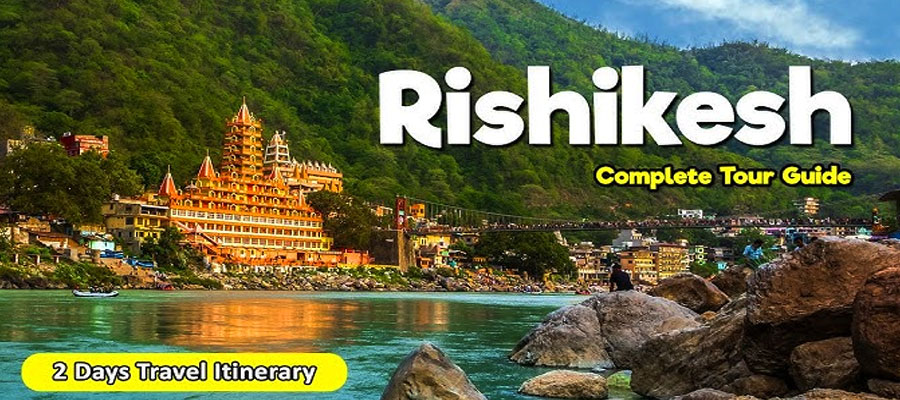
1. Auto-Rickshaws in Rishikesh
Auto-rickshaws are one of the most popular ways to travel in Rishikesh, especially for short distances. They are convenient, flexible, and ideal for navigating the narrow streets near Laxman Jhula, Ram Jhula, and the main ghats.
- Availability: Readily available throughout the city.
- Fare: Negotiate before starting your trip; fares vary depending on distance.
- Tip: Use them for trips within 2-5 km as they are cost-effective.
2. Taxis and Private Cabs
For a more comfortable and private ride, taxis are the preferred choice. They are suitable for longer distances or if you are traveling in a group. Private cabs can also be booked for full-day tours of Rishikesh and nearby attractions.
- How to Book: Use local taxi stands, hotel services, or online cab booking apps.
- Estimated Costs: Short rides typically start at ₹200, while full-day rentals start around ₹1,200-₹1,500.
- Best For: Travelers with luggage, families, or those exploring areas outside the city.
3. Shared and Local Buses
Rishikesh is connected by local buses to nearby towns like Haridwar, Dehradun, and even small villages. This is an affordable option for budget travelers and those seeking an authentic local experience.
- Routes: Regular buses run between Rishikesh, Haridwar, Dehradun, and other nearby tourist spots.
- Cost: Typically ₹20-₹50 for short distances and ₹100-₹150 for longer rides.
- Tip: Buses may not follow strict schedules, so allow extra travel time.
4. Bike and Scooter Rentals
If you enjoy the freedom of exploring at your own pace, renting a scooter or motorbike is ideal. Rishikesh has several rental shops offering daily, weekly, or monthly rentals.
- Cost: Daily rentals start around ₹300-₹500 for scooters and ₹600-₹800 for bikes.
- Requirements: A valid driving license is mandatory.
- Best Routes: Ride along the Ganga River, visit waterfalls like Neer Garh, or explore nearby villages.
5. Walking and Bicycle Tours
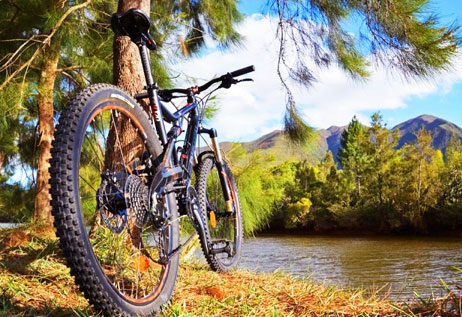
For short distances within the city, walking is the most relaxing way to explore Rishikesh. Many attractions, such as Laxman Jhula, Ram Jhula, and local markets, are within walking distance. Bicycle rentals are also available, providing a healthy and eco-friendly way to enjoy the scenic beauty.
6. River Transportation
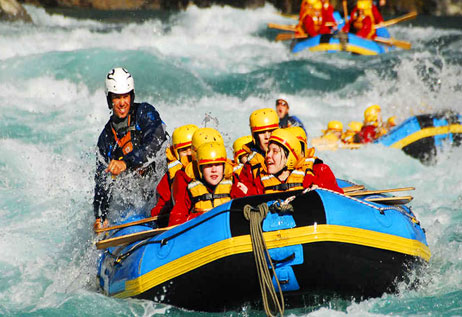
While not a primary mode of transportation, some adventure activities and scenic tours in Rishikesh involve river transport. Kayaks, rafts, and small boats are used to explore the Ganges or reach adventure points. This is more for recreation than commuting but adds an adventurous touch to your travel experience.
Tips for Getting Around Rishikesh
- Always negotiate fares for auto-rickshaws and taxis in advance.
- Download maps offline or use GPS for bike rentals and long trips.
- Carry cash, as small transport providers may not accept cards.
- Respect traffic rules and wear helmets when riding scooters or bikes.
- Plan travel during daylight hours; some areas are less crowded but may be poorly lit at night.
Best Areas to Stay for Easy Transportation
To minimize commuting time, consider staying in areas close to major attractions and transportation hubs:
- Laxman Jhula & Ram Jhula Area: Ideal for tourists who want to stay near temples, cafes, and markets.
- Near Rishikesh Railway Station: Convenient for travelers arriving by train or planning to visit nearby cities.
- Tapovan Area: Perfect for those interested in yoga retreats and riverside accommodation.
Conclusion
Getting around Rishikesh is simple once you understand the local transportation options. Whether you prefer the convenience of taxis, the affordability of buses, the freedom of scooters, or the charm of walking along the Ganga, there is a solution for every type of traveler. With this guide from AI Hotels Group, you can plan your daily travel in Rishikesh efficiently and make the most of your time exploring this beautiful spiritual city.
Travel smart, explore freely, and let AI Hotels Group help you make your Rishikesh journey seamless and unforgettable!