Traveling is not just about sightseeing - it's about understanding and respecting the local culture. Being aware of local etiquette and customs can make your trip smoother, more enjoyable, and culturally enriching.
Why Local Etiquette Matters
Every country, region, or community has its own set of social norms and cultural expectations. Ignoring these can lead to misunderstandings, discomfort, or even offense. Observing local etiquette shows respect for the host culture and enhances your travel experience. Simple gestures, proper behavior, and awareness of local customs often leave a lasting positive impression on the people you meet.
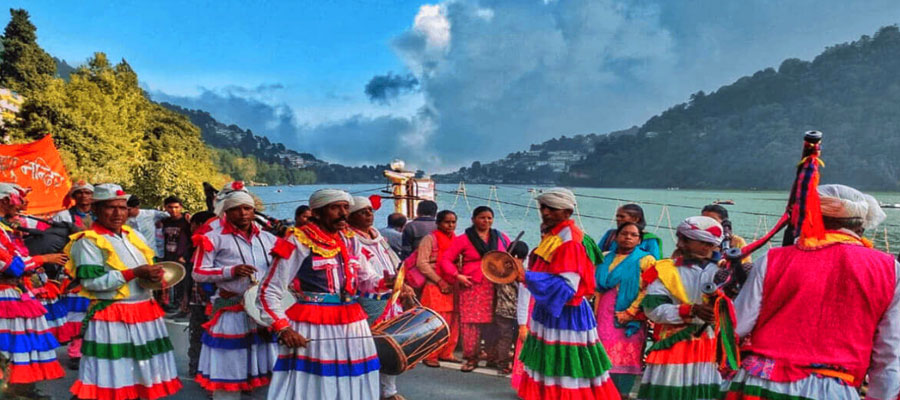
Greetings and Gestures
Greeting customs vary widely across cultures. While a handshake may be common in Western countries, other countries have unique traditional greetings. For instance:
- India: A "Namaste" with folded hands is respectful, especially when greeting elders.
- Japan: Bowing is a sign of respect; avoid overly firm handshakes.
- Middle East: Gentle handshakes and addressing people with proper titles is preferred.
- Western Countries: A friendly smile and firm handshake are usually appropriate.
Avoid pointing at people with your finger or using overly expressive gestures in formal settings. Learn basic local phrases like "thank you," "please," or "excuse me" in the native language—it goes a long way.
Dining Etiquette
Food is often central to cultural identity, so respecting dining etiquette is crucial. Some key tips:
- In some Asian cultures, it's polite to leave a small portion of food on your plate to show satisfaction, while in others, finishing everything is a compliment to the host.
- Using utensils appropriately is important—avoid pointing or gesturing with chopsticks or forks.
- In India, many households eat with the right hand only; using the left hand can be considered impolite.
- Always wait for the host to start the meal or give a signal to begin.
If you're unsure about local dining customs, observe locals or politely ask your host. Avoid wasting food and always show appreciation for the meal.
Dress Code and Public Behavior
Dressing appropriately shows respect for local norms and customs. Certain places, especially religious sites, require modest attire. For example:
- Cover shoulders and knees when visiting temples, mosques, or churches.
- In conservative regions, avoid revealing clothing.
- Remove shoes when entering homes, temples, or sacred spaces.
Public behavior is equally important. Loud talking, public displays of affection, or disruptive conduct may be frowned upon in certain cultures. Maintain polite body language and avoid using offensive gestures.
Photography Etiquette
Capturing memories is a big part of travel, but respecting local rules is key. Tips include:
- Always ask permission before photographing people, especially in rural areas or religious sites.
- Do not take pictures of military or government buildings where it's restricted.
- Respect private property; avoid trespassing for a photo opportunity.
- Be discreet in sacred or ceremonial settings to avoid disrupting rituals.
Gift Giving and Hospitality
Many cultures place importance on hospitality and gift-giving. Small gestures of appreciation can strengthen relationships:
- Bring a small gift when visiting someone's home, such as sweets, flowers, or local souvenirs.
- Do not give gifts that are culturally inappropriate (e.g., alcohol in religious households).
- Accept food or drink politely even if you only take a small portion—it shows respect for the host.
Do's and Don'ts
To summarize, here are essential tips for respecting local etiquette while traveling:
- Do: Learn basic local language phrases, observe local customs, show patience, and dress appropriately.
- Don't: Disrespect religious sites, criticize local customs, waste food, or make insensitive jokes.
- Follow environmental etiquette: dispose of waste properly and avoid disturbing wildlife or local habitats.
- Respect personal space and social norms in crowded areas.
Conclusion
Understanding and following local etiquette and customs not only enriches your travel experience but also creates meaningful connections with the people you meet. It reflects cultural sensitivity, enhances mutual respect, and ensures your trip is enjoyable and memorable. Whether it's greetings, dining, dressing, or public behavior, being mindful of local norms demonstrates your respect and appreciation for the destination.
Plan your trips with AI Hotels Group and travel responsibly while embracing local traditions and customs!