Nainital, the charming hill station in Uttarakhand, is not only known for its breathtaking landscapes but also for its rich historical legacy. In this blog, AI Hotels Group explores the journey of Nainital from its British colonial roots to its modern-day allure.
Introduction to Nainital
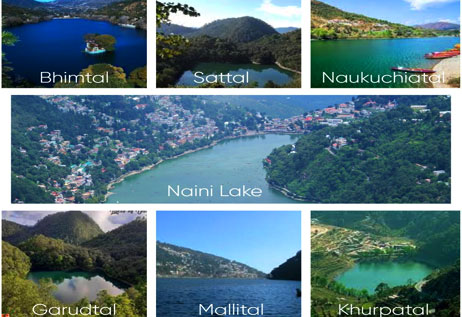
Nestled in the Kumaon Hills of Uttarakhand, Nainital is often called the "Lake District of India" due to its scenic Naini Lake and surrounding mountains. Established during the British era, Nainital was originally developed as a retreat to escape the scorching plains of Northern India. Its colonial architecture, historical landmarks, and cultural evolution make it a fascinating destination for history enthusiasts and travelers alike.
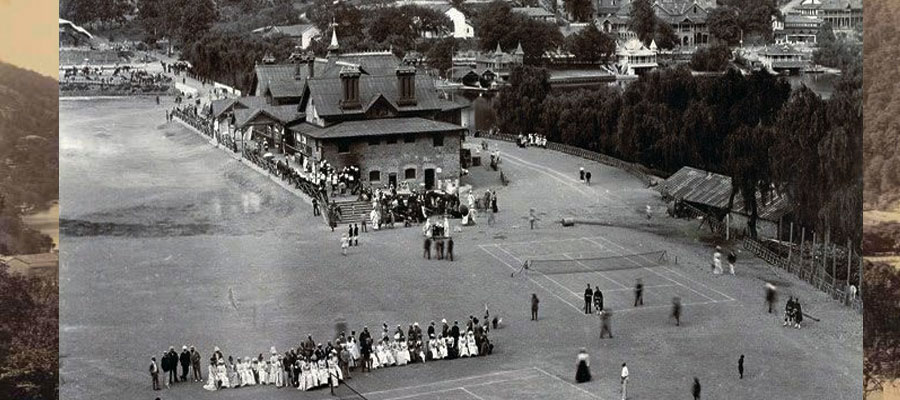
Nainital in the British Era
The history of Nainital as a prominent hill station began in the mid-19th century. In 1841, the British established Nainital as an administrative and summer retreat for British officials. Its strategic location, surrounded by mountains and dense forests, offered a cool and tranquil environment during the hot Indian summers.
The British constructed colonial-style buildings, churches, and schools, some of which still stand today, reflecting the architectural elegance of that era. Popular landmarks like St. John in the Wilderness Church, the Raj Bhawan (Governor's House), and the Nainital Club originated during this period, leaving behind a legacy that continues to captivate visitors.
Lifestyle and Culture under British Influence
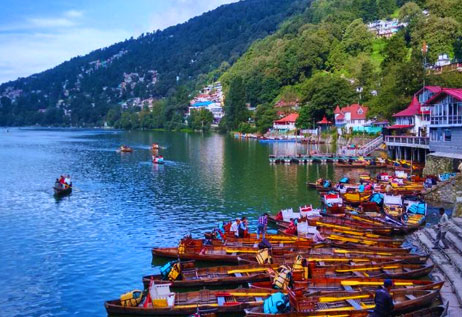
During the British era, Nainital flourished as a hub of leisure and social activity. The British introduced horse riding, boating in Naini Lake, and trekking trails in the hills. The town's Mall Road became the focal point for recreation and shopping, offering a blend of British and local Kumaoni cultures. Educational institutions such as the All Saints College and St. Joseph's School also date back to this era, adding to the town's cultural richness.
Nainital After Independence
After India gained independence in 1947, Nainital continued to develop as a tourist hotspot. The state government of Uttarakhand invested in modern infrastructure, making the town accessible by roads and railways while preserving its colonial charm. Resorts, hotels, and guest houses emerged, catering to both domestic and international travelers.
Over the decades, Nainital transformed into a blend of historical heritage and modern amenities. While the iconic Naini Lake remained the heart of the town, modern shopping complexes, cafes, and recreational activities added to its appeal as a year-round tourist destination.
Famous Historical Landmarks in Nainital
- St. John in the Wilderness Church: Built in 1844, it showcases classic Gothic architecture and serene surroundings.
- Raj Bhawan: A colonial-era governor's residence with magnificent gardens and panoramic views of Naini Lake.
- Nainital Club: Established in 1870, it retains its colonial charm and serves as a cultural hub.
- Governor House Museum: Offers insights into Nainital's colonial history and architecture.
- Historical Walks on Mall Road: Witness the colonial-era shops, cafes, and heritage buildings.
Cultural Evolution from Past to Present
Nainital has seamlessly blended its colonial past with contemporary culture. Traditional Kumaoni festivals, music, and handicrafts coexist with modern cafes, adventure sports, and boutique hotels. The town is also a center for educational tourism, with historic schools attracting students from across India.
The local cuisine, ranging from Kumaoni dishes like Bhatt ki Churdkani to British-influenced pastries and teas, reflects this cultural fusion. Guided heritage walks, photography tours, and cultural festivals offer visitors an immersive experience of Nainital's history and evolution.
Nainital in Modern Day
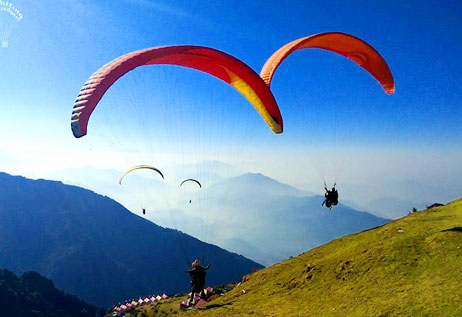
Today, Nainital is a bustling hill station that balances tourism, ecology, and heritage preservation. Modern hotels and resorts offer luxury stays with lake views, while AI Hotels Group ensures travelers enjoy premium accommodations and guided tours. Adventure activities such as trekking, paragliding, boating, and nature trails make it an ideal destination for travelers of all ages.
Despite modernization, Nainital has preserved its natural beauty, colonial architecture, and serene atmosphere, making it a perfect blend of history and modern tourism.
Tips for Exploring Nainital's History
- Take guided heritage walks to learn about British-era architecture.
- Visit historical churches, schools, and the Raj Bhawan for an immersive experience.
- Plan your trip during spring (March-June) or autumn (September-November) for pleasant weather.
- Book stays at AI Hotels Group properties for proximity to historical landmarks and modern amenities.
- Carry a camera to capture Nainital's scenic and historical beauty.
Conclusion
Nainital's history is a fascinating journey from its colonial British roots to the vibrant modern-day hill station it is today. From historic churches and Raj Bhawan to scenic lakes and modern resorts, Nainital offers a unique blend of heritage, culture, and natural beauty. With AI Hotels Group, you can explore this historic hill station while enjoying luxurious accommodations and personalized travel experiences.
Discover the rich history of Nainital and plan your next trip to this enchanting hill station with AI Hotels Group today!