Jim Corbett National Park, the first national park in India, is not just a destination for wildlife enthusiasts but also a symbol of successful wildlife conservation. Learn about the efforts taken to preserve tigers, protect forests, and promote sustainable tourism in this majestic park.
Introduction to Wildlife Conservation in Jim Corbett
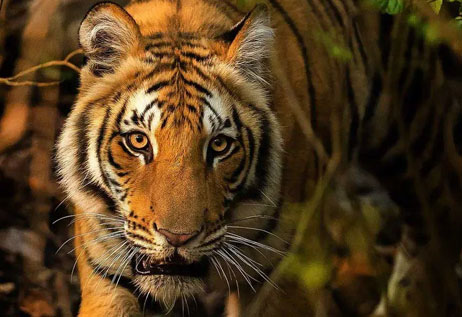
Established in 1936, Jim Corbett National Park is renowned for being India's first national park and the birthplace of the tiger conservation movement. Named after the famous hunter-turned-conservationist Jim Corbett, the park spans over 520 square kilometers in Uttarakhand and is home to diverse flora and fauna. The park's primary goal has always been to protect endangered species, especially the Bengal Tiger, and maintain ecological balance.
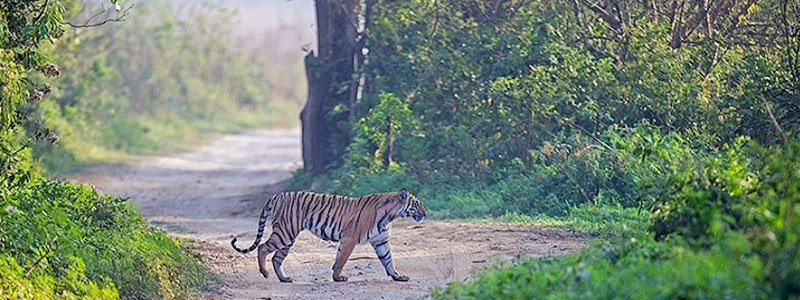
Why Wildlife Conservation is Important
Wildlife conservation in Jim Corbett is vital for multiple reasons:
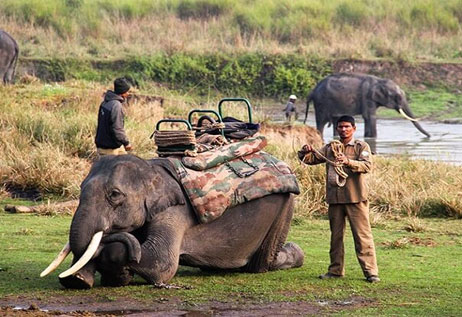
- Protect Endangered Species: The park safeguards tigers, elephants, leopards, and other rare species from poaching and habitat loss.
- Maintain Ecological Balance: Predators like tigers keep the herbivore population in check, ensuring forest health.
- Promote Eco-Tourism: Sustainable tourism provides income for local communities while raising awareness about wildlife protection.
- Scientific Research: Conservation initiatives help researchers study animal behavior, migration patterns, and habitat preservation.
Tiger Conservation Initiatives
Jim Corbett played a pivotal role in India's Project Tiger launched in 1973. Key initiatives include:
- Strict Anti-Poaching Measures: Trained forest guards and surveillance help prevent illegal hunting.
- Habitat Restoration: Reforestation projects ensure sufficient prey and safe living zones for tigers.
- Population Monitoring: Camera traps, GPS tracking, and field surveys track tiger numbers and health.
- Community Engagement: Locals are educated and involved in protecting wildlife, creating a sustainable environment.
Thanks to these efforts, Jim Corbett has witnessed a steady increase in tiger populations, making it one of the success stories of wildlife conservation in India.
Forest Protection & Habitat Preservation
The dense sal and mixed forests of Corbett are crucial for maintaining biodiversity. Conservation measures focus on:
- Preventing illegal logging and encroachment.
- Maintaining natural water sources like rivers and streams.
- Controlling invasive plant species that threaten native flora.
- Protecting wetlands to support birds and aquatic life.
These steps ensure that both flora and fauna thrive together, creating a harmonious ecosystem.
Community Involvement and Eco-Tourism
Eco-tourism in Jim Corbett promotes sustainable interaction with nature while benefiting local communities. AI Hotels Group supports initiatives that include:
- Organizing wildlife education programs for visitors and locals.
- Employing local staff for tours, safaris, and hospitality services.
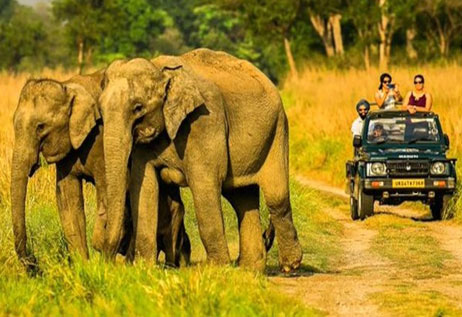
- Promoting eco-friendly practices in resorts and safari vehicles.
- Supporting local handicrafts and cultural tourism.
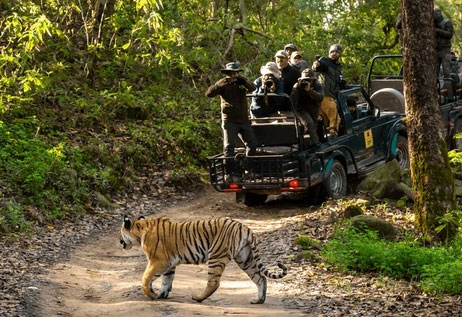
By combining tourism with conservation, visitors can enjoy a safe, memorable experience while contributing to the preservation of wildlife and forests.
Tips for Responsible Wildlife Tourism
- Follow park rules and maintain a safe distance from animals.
- Do not litter or disturb natural habitats.
- Use eco-friendly transportation and accommodations.
- Respect local culture and communities.
- Book safaris and tours through authorized operators like AI Hotels Group.
Conclusion
Jim Corbett National Park stands as a shining example of wildlife conservation success in India. From protecting endangered tigers to maintaining rich forests and promoting eco-tourism, every effort counts toward preserving this natural wonder for generations to come. By choosing responsible travel with AI Hotels Group, you contribute to this vital mission while enjoying an unforgettable wildlife experience.
Plan your visit today and witness firsthand the incredible wildlife conservation efforts in Jim Corbett National Park!