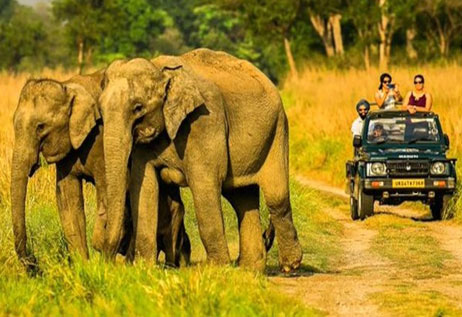
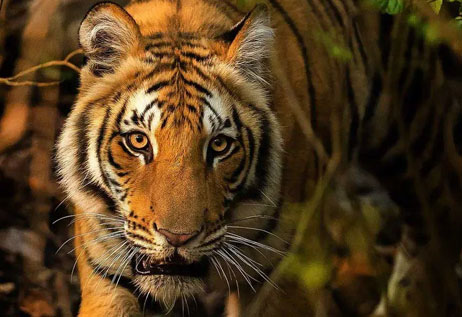
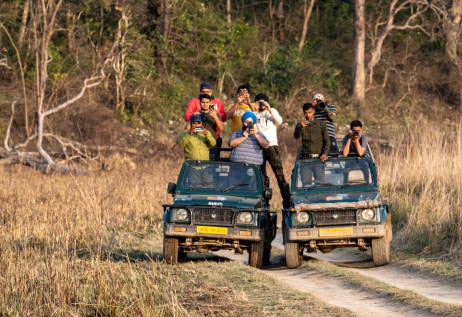
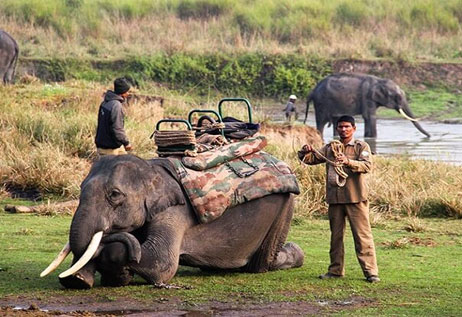
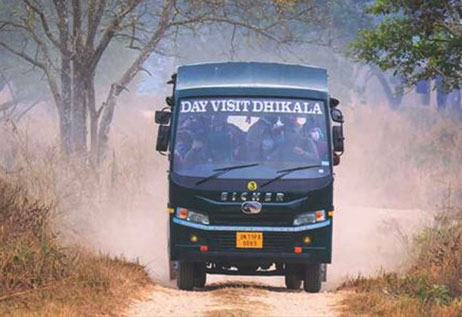
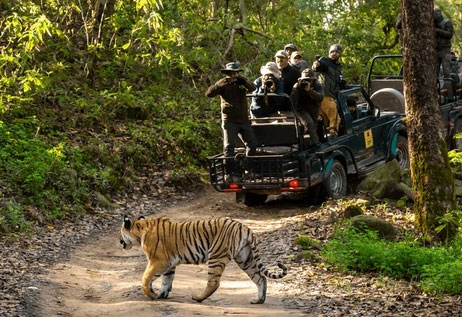
Jim Corbett National Park is one of the most thrilling destinations for wildlife photographers in India. Known for its majestic Bengal Tigers, elephants, birds, and lush landscapes, it offers endless opportunities to capture nature's raw beauty. But wildlife photography requires patience, skill, and the right techniques. In this guide, we share essential photography tips to help you make the most of your safari adventure in Jim Corbett.
Why Jim Corbett is a Paradise for Photographers
Established in 1936, Jim Corbett is India's first national park and one of the most popular wildlife destinations worldwide. Spanning over 520 square kilometers, it features dense forests, rivers, grasslands, and hills — each creating unique backdrops for photography. The park's rich biodiversity includes tigers, leopards, elephants, deer, gharials, and 600+ bird species. For both beginners and professional photographers, Corbett is a dream destination where every frame tells a story.
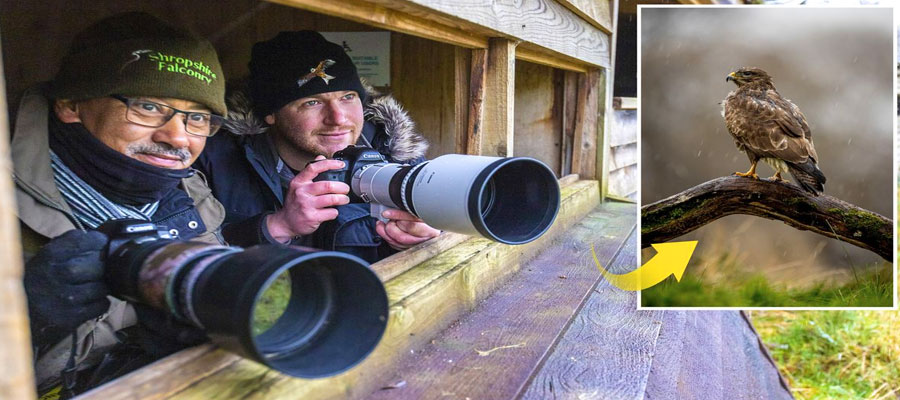
Essential Photography Gear
Carrying the right equipment is crucial for capturing high-quality wildlife shots. Here's what you need:
- DSLR or Mirrorless Camera: These provide better control over settings and image quality.
- Telephoto Lens (200mm-600mm): Essential for capturing animals from a safe distance.
- Wide-Angle Lens: Useful for landscapes, forests, and group animal shots.
- Tripod/Monopod: Helps stabilize your camera during long waits or low-light conditions.
- Extra Batteries & Memory Cards: Safaris are long, so always carry spares.
Best Camera Settings for Safari
Adjusting your camera settings according to safari conditions can make a huge difference:
- Shutter Speed: Use at least 1/1000 sec to freeze animal movement.
- Aperture: A wide aperture (f/2.8 - f/5.6) helps blur backgrounds and highlight subjects.
- ISO: Keep ISO between 400-1600 depending on light conditions.
- Focus Mode: Use continuous autofocus (AI Servo/AF-C) to track moving animals.
- Burst Mode: Capture multiple frames per second for action shots.
Best Safari Zones for Photography in Corbett
Jim Corbett is divided into different zones, each offering unique photographic opportunities:
- Dhikala Zone: Famous for tiger sightings and breathtaking landscapes.
- Bijrani Zone: Offers a mix of grasslands and dense forests, ideal for action shots.
- Jhirna Zone: Open all year, great for spotting sloth bears and elephants.
- Dhela Zone: Known for birdwatching and tranquil settings.
- Durga Devi Zone: Perfect for river and leopard photography.
Tips for Perfect Wildlife Shots
Wildlife photography is not just about technology — it's about patience, observation, and respect for nature. Follow these tips:
- Be Patient: Animals don't pose; wait quietly for the perfect moment.
- Use Natural Light: Early morning and late afternoon provide soft golden light.
- Focus on Eyes: Sharp eyes make wildlife portraits powerful.
- Stay Silent: Noise can scare away animals and ruin opportunities.
- Frame the Habitat: Don't just focus on the animal, capture its environment too.
Bird Photography in Jim Corbett
Birdwatchers will love Corbett's incredible avian diversity. Carry a lighter telephoto lens (300mm-400mm) and keep your shutter speed high to capture fast-moving species. Popular birds include kingfishers, hornbills, crested serpent eagles, and peacocks. Use burst mode for flying shots and try to capture birds during early morning hours for better lighting.
Ethics of Wildlife Photography
While capturing stunning images is rewarding, always remember to respect wildlife. Do not disturb animals, avoid flash photography at night, and follow all safari rules. Responsible photography ensures safety for both animals and visitors.
Stay with AI Hotels Group for the Perfect Photography Trip
At AI Hotels Group, we provide comfortable stays near major safari gates, making it easier for photographers to access early morning and late evening safaris. Our packages include:
- Luxury resorts with riverside cottages and forest-view rooms.
- Safari bookings and guided tours for photographers.
- Birdwatching trails and nature walks.
- Specialized packages for photography enthusiasts.
With us, you can combine wildlife adventure and luxury comfort, ensuring a trip filled with both creativity and relaxation.
Travel Tips for Wildlife Photographers
- Book safaris well in advance, especially in popular zones like Dhikala and Bijrani.
- Wear earthy-colored clothing to blend in with the jungle.
- Keep your camera gear safe in dust-proof bags.
- Stay hydrated and carry light snacks during long safaris.
- Listen to your guide; their experience helps spot animals.
Conclusion
Wildlife photography in Jim Corbett National Park is an adventure like no other. From capturing the majestic tiger in its natural habitat to framing colorful birds against serene landscapes, every moment is a story waiting to be told. With patience, the right gear, and proper guidance, you can take home breathtaking photographs that last a lifetime.
Plan your photography trip with AI Hotels Group today and experience the wild through your lens!