Jim Corbett National Park is one of India's most famous wildlife sanctuaries, but who was Jim Corbett? In this article, we uncover the fascinating story behind the park's name and the legacy of a man who became a legend in wildlife conservation.
Introduction: A Park Named After a Legend
Nestled in the foothills of the Himalayas in Uttarakhand, Jim Corbett National Park is a sanctuary for Bengal tigers, elephants, leopards, and a variety of bird species. Established in 1936 as India's first national park, it was originally named Hailey National Park. In 1957, it was renamed to honor Jim Corbett, a British-Indian hunter-turned-conservationist, whose efforts were instrumental in protecting India's endangered wildlife.
Who Was Jim Corbett?
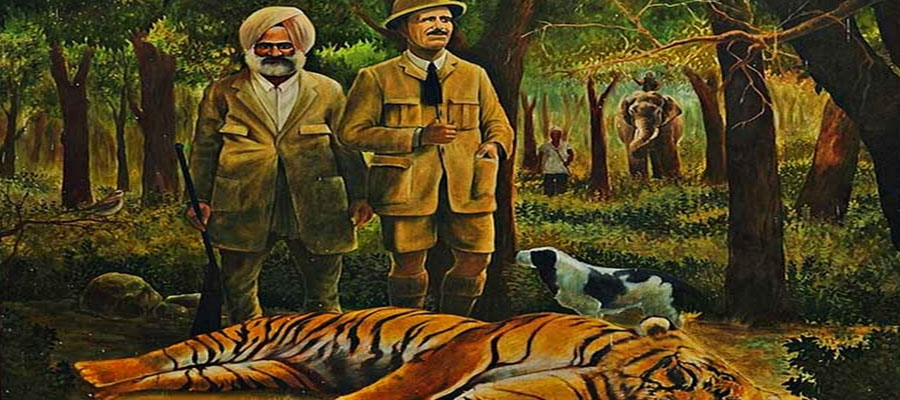
Edward James Corbett, popularly known as Jim Corbett, was born on July 25, 1875, in Nainital, Uttarakhand. He grew up in the Kumaon region of India, developing an early fascination with nature and wildlife. Corbett became famous as a hunter, particularly for tracking man-eating tigers and leopards that threatened villages in the region. However, he later transformed into a passionate conservationist, advocating for the protection of wildlife habitats in India.
Early Life and Passion for Wildlife
Growing up in the dense forests of Kumaon, Jim Corbett developed a deep connection with nature. He learned to track animals, understand their behavior, and respect the forest. While hunting was part of his early life, his knowledge of wildlife eventually became crucial in both saving human lives and protecting endangered species.
The Man-Eater Chronicles
Corbett gained worldwide recognition for hunting dangerous man-eating tigers and leopards that terrorized villagers in the early 20th century. His encounters with these predators were documented in his famous books, such as The Man-Eaters of Kumaon. While he hunted these animals to protect human life, he always emphasized the importance of understanding wildlife rather than fearing it.
From Hunter to Conservationist
After decades of hunting, Jim Corbett shifted his focus from hunting to conservation. Witnessing the rapid decline of India's tiger population, he became one of the first advocates for establishing wildlife sanctuaries. His efforts were key to the creation of Hailey National Park, which later became Jim Corbett National Park. Corbett believed in coexistence, sustainable practices, and the protection of endangered species, values that continue to guide wildlife conservation in India today.
Legacy in Wildlife Protection
Beyond establishing the park, Corbett actively campaigned for wildlife awareness and education. His books inspired generations of naturalists and conservationists. He also contributed to the protection of forests and promoted eco-tourism, making him a pioneer in the field of wildlife preservation in India.
Jim Corbett National Park Today
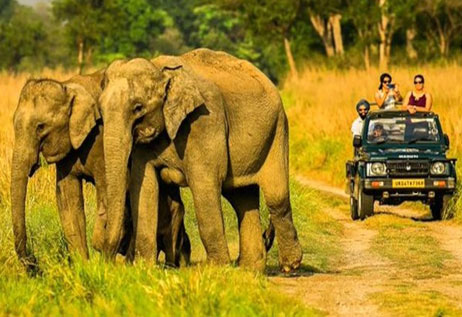
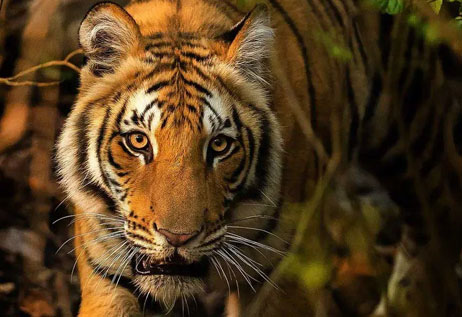
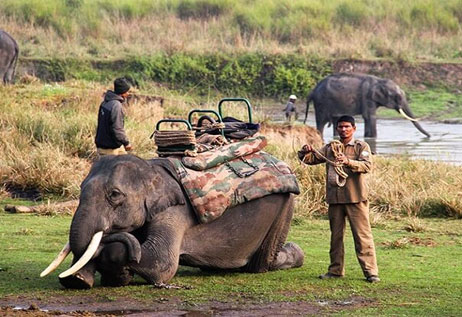
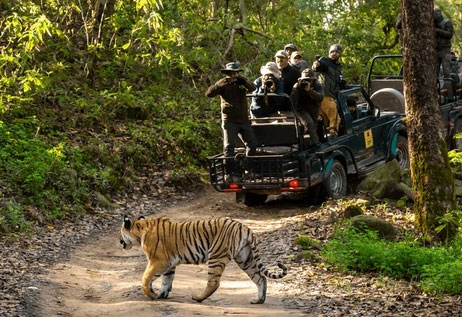
Today, Jim Corbett National Park spans over 520 square kilometers and is divided into multiple zones, including Dhikala, Bijrani, Jhirna, Dhela, and Durga Devi. It is home to the majestic Bengal tiger, elephants, leopards, and hundreds of bird species. The park attracts thousands of tourists annually who seek thrilling jeep safaris, birdwatching, and nature photography. It stands as a testament to Corbett's vision of protecting India's wildlife while promoting sustainable tourism.
Tourism and Safari Experience
Visitors can experience the park through jeep safaris, canter safaris, and guided nature walks. The best time to visit is between November and June, when wildlife is most visible, and the weather is favorable. Staying at trusted resorts like AI Hotels Group ensures a comfortable and memorable wildlife experience, combining luxury with proximity to nature.
Travel Tips for Visitors
- Book safari tickets and accommodations in advance through authorized portals.
- Carry binoculars, cameras, and comfortable clothing for safaris.
- Respect park rules and maintain a safe distance from wildlife.
- Visit early morning or late afternoon for the best wildlife sightings.
- Stay with reputable resorts like AI Hotels Group for a hassle-free experience.
Conclusion
Jim Corbett was more than a hunter; he was a visionary who laid the foundation for modern wildlife conservation in India. The park that bears his name continues to protect endangered species and inspire travelers worldwide. By visiting Jim Corbett National Park with AI Hotels Group, you are not only experiencing the thrill of the wild but also honoring the legacy of a man who dedicated his life to protecting nature.
Plan your visit today and explore the story, wildlife, and breathtaking beauty of Jim Corbett National Park!