Discover the rich and diverse ecosystem of Jim Corbett National Park, India's first tiger reserve. AI Hotels Group brings you an in-depth look at the park's unique flora and fauna and why it's a must-visit destination for wildlife enthusiasts and nature lovers.
Introduction to Jim Corbett's Ecosystem
Nestled in the Himalayan foothills of Uttarakhand, Jim Corbett National Park spans over 520 square kilometers and boasts one of India's most diverse ecosystems. Established in 1936, it was the country's first national park and has been a model for conservation. Its rich flora and fauna, scenic landscapes, and unique biodiversity make it an unparalleled wildlife destination.
Flora of Jim Corbett: A Green Paradise
Jim Corbett National Park is home to a variety of plant species, ranging from dense Sal forests to grasslands and riverine forests. The flora not only provides a habitat for wildlife but also contributes to the park's breathtaking scenery. The park's vegetation can be categorized as follows:
1. Sal Forests
Sal trees dominate large portions of the park, forming dense forests with a rich undergrowth. These forests are vital for the survival of herbivores like sambar deer, barking deer, and elephants.
2. Riverine Forests
Along the Ramganga River and its tributaries, lush riverine forests thrive. These areas are home to crocodiles, gharials, and a variety of birds, creating a perfect ecosystem along the water bodies.
3. Grasslands and Scrubs
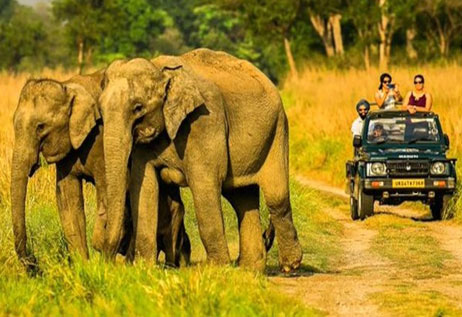
Open grasslands like the Dhikala and Jhirna zones attract herbivores such as wild boars, deer, and elephants. These grasslands are ideal for spotting wildlife during safari rides.
Fauna of Jim Corbett: Diverse Wildlife
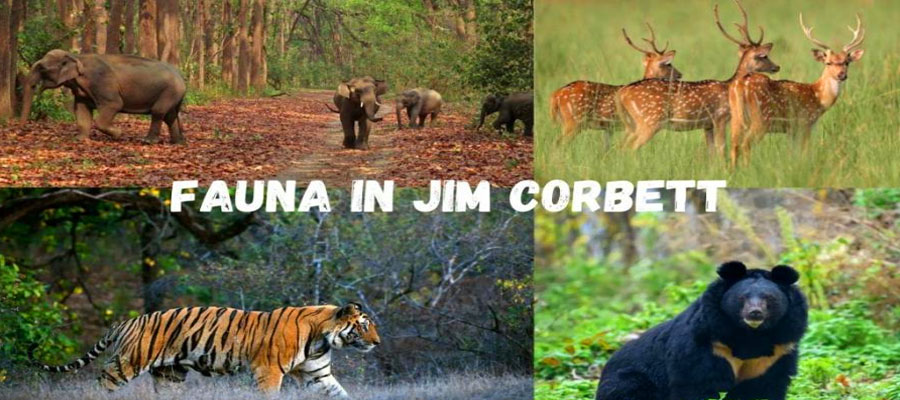
The wildlife of Jim Corbett is its crown jewel. From the elusive Bengal tiger to colorful birds, the park offers a spectacular view of India's biodiversity. With over 50 species of mammals, 600+ birds, 25 reptiles, and numerous insects, the park is a wildlife enthusiast's dream.
1. Majestic Tigers
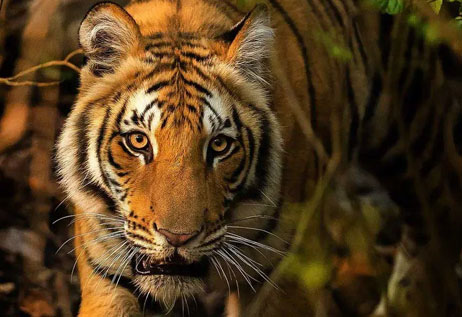
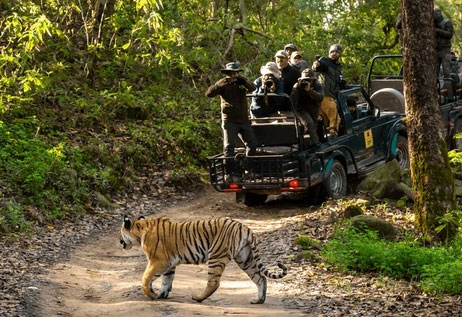
Known as India's first tiger reserve, Corbett is famous for its Bengal tigers. These majestic predators are the star attraction, and spotting one during a safari is an unforgettable experience.
2. Elephants and Herbivores
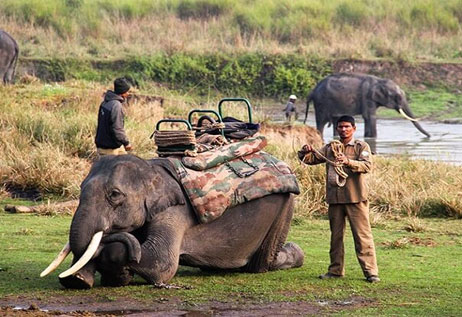
The park houses wild elephants, sambar deer, spotted deer, and barking deer. These herbivores play a crucial role in maintaining the park's ecological balance.
3. Exotic Birds
Jim Corbett is a haven for birdwatchers. From kingfishers, peacocks, and hornbills to migratory species, every corner of the park offers opportunities for bird photography and observation.
4. Reptiles and Amphibians
Reptiles like the gharial, Indian cobra, monitor lizards, and several frog species add to the park's rich fauna. These species are mostly found near water bodies, especially the Ramganga River.
What Makes Jim Corbett's Flora & Fauna Unique?
Jim Corbett's uniqueness lies in its combination of dense forests, open grasslands, riverine ecosystems, and diverse wildlife. It is a perfect example of how conservation and sustainable tourism coexist. The park's varied habitats support a wide range of species, making every safari a new experience. Additionally, the park's historical legacy and status as India's first tiger reserve contribute to its unparalleled charm.
Travel Tips for Nature Enthusiasts
- Book safaris in advance to explore different zones and maximize wildlife sightings.
- Carry binoculars, cameras, and field guides to identify flora and fauna.
- Wear neutral-colored clothing to blend with the environment.
- Respect park rules and avoid disturbing wildlife.
- Stay at trusted resorts like AI Hotels Group for guided tours, luxury stays, and safe travel experiences.
Conclusion
Jim Corbett National Park offers an immersive experience into the wonders of India's natural world. Its rich flora provides a haven for herbivores, while its diverse fauna, from tigers to exotic birds, ensures unforgettable wildlife encounters. With AI Hotels Group, you can explore this magnificent ecosystem with comfort, safety, and expert guidance. Make your next trip to Corbett a journey into nature's heart, and witness the magic of its flora and fauna firsthand.
Book your Jim Corbett adventure today with AI Hotels Group and experience the unique wilderness like never before!