Discover the rich history and lasting legacy of Jim Corbett National Park, India's first national park, where conservation, adventure, and wildlife come together. AI Hotels Group brings you a detailed guide to the park's past, present, and future.
Introduction to Jim Corbett National Park
Nestled in the foothills of the Himalayas in Uttarakhand, Jim Corbett National Park is a symbol of wildlife conservation and India's natural heritage. Established in 1936, it was originally known as Hailey National Park and later renamed in honor of Jim Corbett, the legendary hunter turned conservationist who played a key role in protecting India's tigers.
Historical Background of the Park
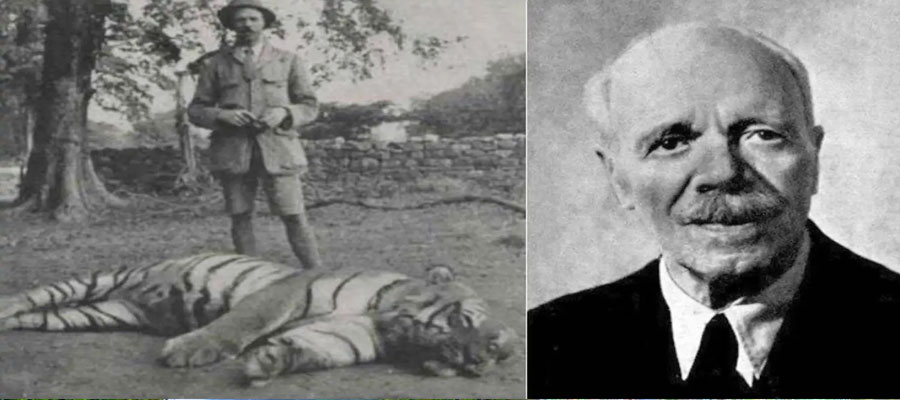
The park was created during the British colonial era to protect the dwindling population of tigers in India. Jim Corbett, renowned for his bravery and deep knowledge of the jungle, advocated for wildlife conservation and sustainable hunting practices. His efforts led to the establishment of Hailey National Park in 1936, making it India's first national park and a model for future conservation projects.
Over the decades, the park has expanded and evolved. Today, it covers more than 520 square kilometers, encompassing diverse ecosystems, including grasslands, riverine belts, and dense forests. These habitats support a wide variety of wildlife, including the Bengal Tiger, elephants, leopards, wild boars, and more than 600 species of birds.
Jim Corbett: The Man Behind the Legacy
Jim Corbett was not just a hunter; he was a visionary conservationist. Initially famous for hunting man-eating tigers and leopards, Corbett realized the importance of protecting wildlife and their habitats. He campaigned extensively for the establishment of national parks and tiger reserves, emphasizing the balance between humans and nature.
His book, The Man-Eaters of Kumaon, remains a classic in wildlife literature, offering insights into the challenges of living alongside dangerous animals while advocating for their protection. Today, every tiger sighting and jungle safari in the park is a tribute to Corbett's vision.
Conservation Efforts and Wildlife Protection
Jim Corbett National Park has been at the forefront of India's conservation movement. The park is part of Project Tiger, launched in 1973 to protect tigers and their habitats. Strict anti-poaching laws, guided safaris, and continuous monitoring ensure the survival of its diverse wildlife.
Key conservation initiatives include:
- Strict monitoring of tiger populations and their prey.
- Community involvement programs to reduce human-wildlife conflict.
- Promotion of eco-tourism to raise awareness and funds.
- Habitat restoration and reforestation projects.
Legacy and Importance of the Park
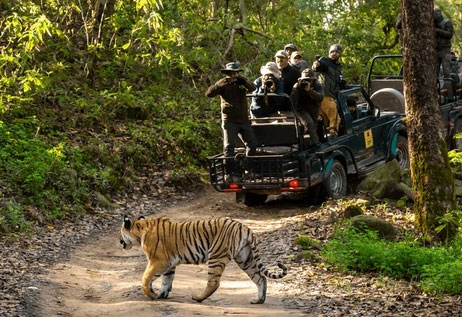
The legacy of Jim Corbett National Park goes beyond wildlife conservation. It has become a hub for eco-tourism, wildlife photography, and education. Visitors from across the globe come to experience the thrill of spotting Bengal Tigers, elephants, and rare bird species in their natural habitat.
The park's sustainable management practices serve as a model for other wildlife reserves in India and abroad. AI Hotels Group, by providing guided safari tours and eco-friendly accommodations, ensures that tourists enjoy the park responsibly while contributing to its preservation.
Visiting Jim Corbett National Park
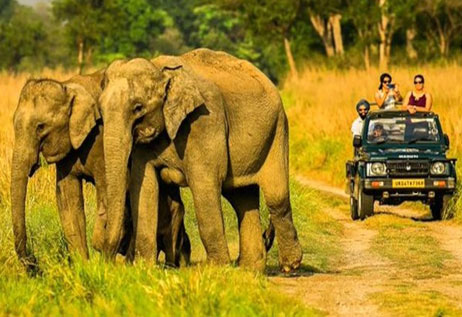
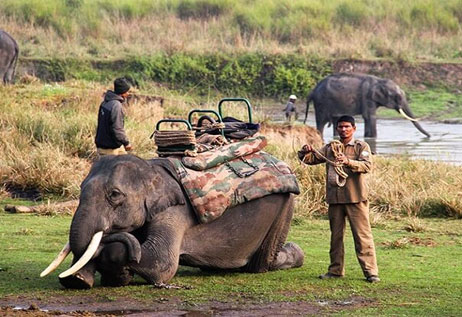
Today, the park offers several zones for exploration, including Dhikala, Bijrani, Jhirna, and Dhela. Each zone has its unique terrain, wildlife population, and adventure opportunities. Guided jeep safaris, elephant rides, and nature walks provide visitors with unforgettable experiences while respecting the delicate balance of the ecosystem.
Tips for first-time visitors:
- Book your safari and accommodation in advance through authorized platforms.
- Wear neutral colors and carry binoculars for wildlife spotting.
- Follow park rules strictly for safety and conservation.
- Stay at trusted resorts like AI Hotels Group for a luxurious and safe experience.
Conclusion
Jim Corbett National Park is more than a destination; it is a living testament to the vision and dedication of conservation pioneers like Jim Corbett. Its history and legacy remind us of the delicate balance between humans and wildlife, and the importance of preserving our natural heritage for future generations.
Plan your visit with AI Hotels Group today and experience the history, beauty, and wildlife of Jim Corbett National Park like never before.