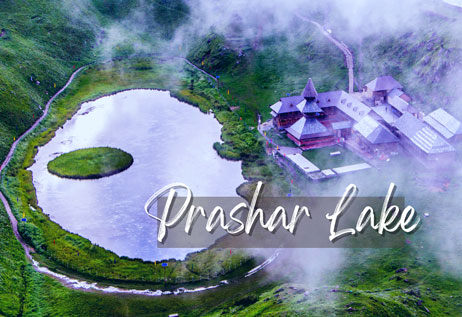
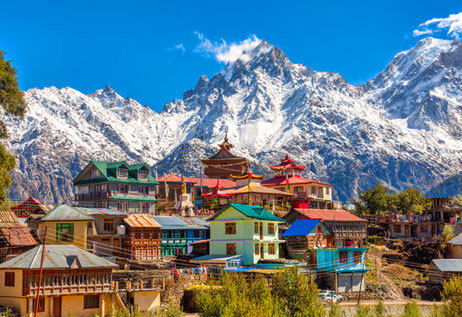
Himachal Pradesh looks incredibly beautiful during the monsoon season. The fresh rain washes away the dust, turns mountains greener, fills rivers with crystal-clear water, and creates spectacular waterfalls everywhere. Many travelers feel monsoon is the most magical time to explore Himachal. But at the same time, it also comes with certain challenges such as slippery roads, landslides, strong rivers, and cloudy weather. If you are planning your monsoon travel, this complete guide by AI Hotels Group will help you understand what to expect, where to go, and how to travel safely in Himachal Pradesh during monsoon.
When is Monsoon Season in Himachal?
Monsoon in Himachal Pradesh generally arrives in July and continues till mid-September. Rainfall varies from region to region, with places like Dharamshala receiving heavy rainfall and areas like Spiti being almost rain-shadow regions with very little rain. Knowing this variation helps you plan better and choose the safest destinations.
What to Expect During Monsoon in Himachal Pradesh
1. Refreshing Greenery Everywhere
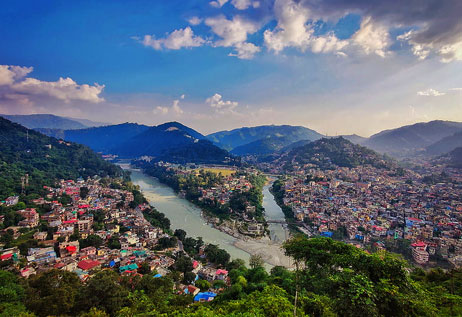
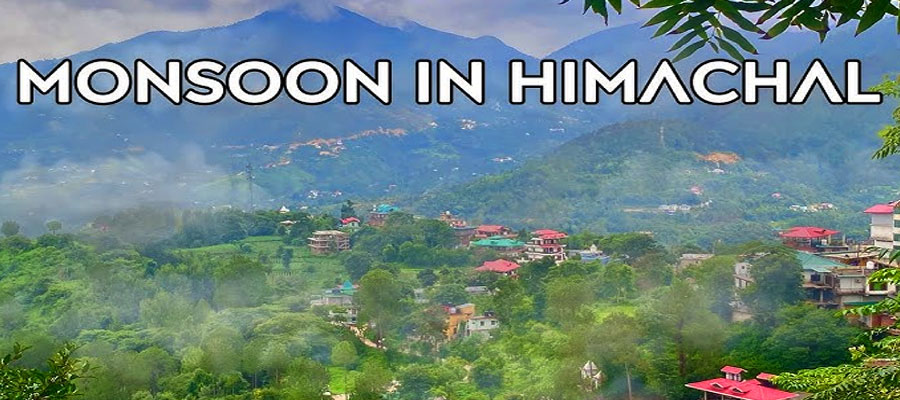
The biggest reason to travel to Himachal during monsoon is the lush landscapes. Hills, valleys, forests, and meadows turn extremely colorful and vibrant. Places like Tirthan Valley, Chamba, Dalhousie, and Kangra look stunning after rainfall.
2. Waterfalls and Rivers at Their Best
Monsoon brings dozens of seasonal waterfalls. Even small streams become powerful and picturesque. If you enjoy photography, monsoon is a dream period for landscape shots, cloudy mountains, misty forests, and flowing rivers.
3. Low Tourist Rush and Budget Travel
Monsoon is considered an off-season in many parts of Himachal Pradesh. This means:
- Lower hotel prices
- Less traffic and crowd
- Peaceful travel experience
If you want calm, privacy, and affordable stays, monsoon is one of the best seasons to visit Himachal.
4. Roadblocks and Landslides
Rain can sometimes cause landslides, especially in hilly areas. Roads may get blocked temporarily and travel plans may need adjustment. This is why local guidance and travel planning are extremely important for monsoon trips.
Best Destinations to Visit in Himachal During Monsoon
1. Tirthan Valley
A quiet nature destination perfect for riverside stays, fishing, and peaceful forest walks. It remains less crowded even in peak monsoon.
2. Dalhousie & Khajjiar
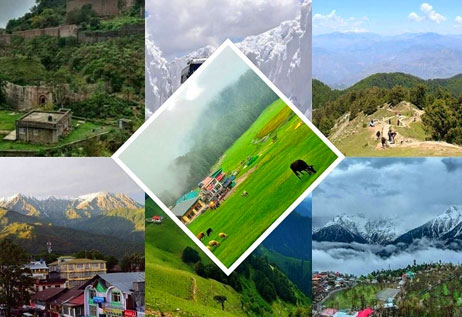
Known as the “Mini Switzerland of India,” Khajjiar becomes extremely scenic in monsoon with misty meadows, pine forests, and breathtaking cloud views.
3. Bir Billing
Paragliding may be limited due to weather, but Bir remains beautiful for cafés, monasteries, sunsets, and peaceful stays.
4. Chamba
One of the safest monsoon travel destinations as it receives relatively moderate rainfall and has lush landscapes.
5. Spiti Valley (Rain Shadow Area)
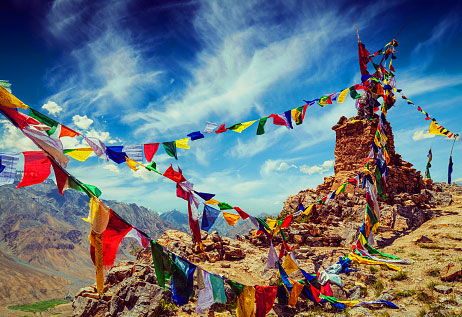
Spiti Valley is one of the very few regions in Himachal where it rains very little. Monsoon is actually the best time to visit Spiti as roads open and weather becomes comfortable.
Places to Avoid in Heavy Monsoon
- Roads leading to Manali - frequent landslides
- Kangra region - heavy rainfall zone
- Kullu riverbank trekking zones
- Remote mountain roads without local guidance
Safety Tips for Monsoon Travel in Himachal Pradesh
1. Always Check Weather Updates
Before leaving your hotel or planning a day trip, check rain forecasts, road conditions, and travel advisories.
2. Avoid Driving at Night
Roads become slippery after rain, and visibility decreases due to fog. Traveling in daylight is much safer.
3. Stay Away from Riverbanks
Rivers in Himachal rise very rapidly during monsoon. Never stand close to fast-flowing water or attempt to cross streams.
4. Hire Local Drivers or Travel Guides
Local drivers understand road conditions and safe routes much better than visitors. This is especially important for offbeat places and trekking routes.
5. Pack Proper Rain Gear
- Waterproof jacket and shoes
- Backpack rain cover
- Extra socks and towel
- Flashlight and power bank
- Basic medical kit
6. Avoid Trekking During Heavy Rain
Trekking trails become slippery and visibility becomes low. If you plan treks, choose experienced local guide support.
7. Keep Cash Handy
Network and ATMs sometimes fail in remote areas during monsoon. Carrying some cash is always wise.
Food, Stay & Travel During Monsoon
Monsoon is a great time to enjoy hot Himachali food like siddu, madra, dham, babru, and local teas. Stays near rivers, forest cottages, and boutique mountain hotels become extra beautiful because of misty mornings and cold rainy evenings.
AI Hotels Group offers safe, comfortable, and scenic hotel stays in prime monsoon-friendly regions of Himachal.
Why Travel with AI Hotels Group During Monsoon?
- Safe and verified hotel bookings
- Local drivers familiar with monsoon routes
- Weather and road-condition support
- Custom monsoon itineraries
- 24x7 travel assistance